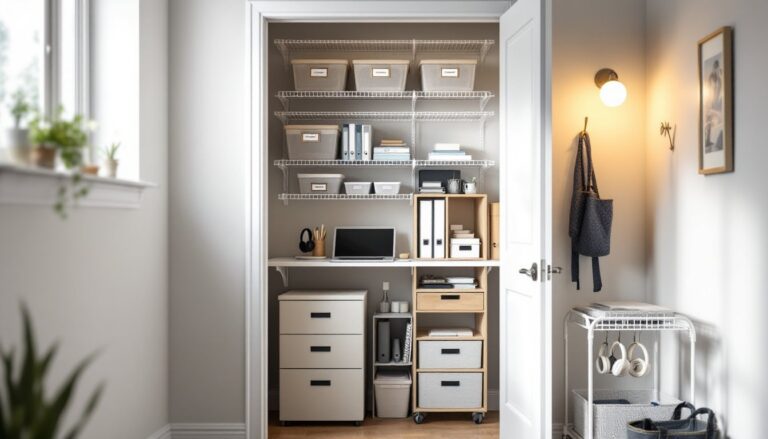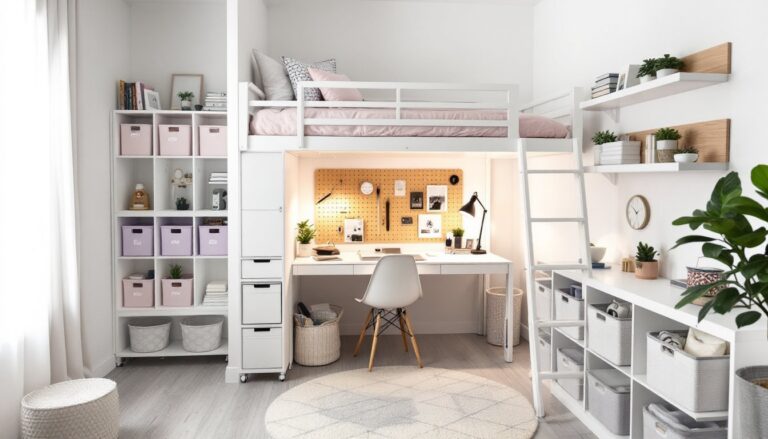
A small office doesn’t have to feel cramped or uninspiring. The right wall decor can turn a bland workspace into a productive, visually engaging environment, without overwhelming the square footage. Whether it’s a spare bedroom turned home office or a compact commercial space, walls offer untapped potential for both function and style. The challenge isn’t just filling space: it’s making deliberate choices that enhance focus, reflect personality, and often pull double duty. In 2026, smart wall decor strategies blend aesthetics with practicality, using every vertical inch wisely. Here’s how to approach it.
Table of Contents
ToggleKey Takeaways
- Small office wall decor creates visual height and openness, making compact spaces feel larger while improving focus and productivity through intentional design choices.
- Gallery walls, floating shelves, and dual-purpose organizational decor maximize functionality in limited square footage without overwhelming the workspace.
- Light, neutral wall colors and warm whites reflect light and prevent cramped feelings, while accent walls add personality behind the desk or at room entrance.
- Proper placement at eye-level (57–60 inches from the floor) and balanced arrangement across multiple walls create visual flow and prevent the space from feeling cluttered.
- Budget-friendly DIY projects like framed fabric samples, painted geometric shapes, and wood slat walls deliver professional results for under $30 per accent wall.
Why Wall Decor Matters in Small Office Spaces
In tight quarters, walls do more than hold up the ceiling. They set the tone, influence mood, and can even affect productivity. A stark, empty wall creates a sterile feel that drains energy. Conversely, cluttered or overly busy decor competes for attention and adds visual noise.
Small offices benefit from intentional wall treatments because they draw the eye upward, creating a sense of height and openness. Vertical design elements trick the brain into perceiving more space. Light-colored art or mirrors bounce light around, making the room feel less confined.
There’s also a psychological component. Studies on workplace environments and productivity consistently show that personalized, thoughtfully designed spaces improve focus and morale. A blank wall is a missed opportunity, especially when square footage is limited and every surface counts.
For home offices, wall decor bridges the gap between professional and comfortable. It signals that the space is dedicated to work without feeling corporate. In shared or multipurpose rooms, the right pieces help define the office zone visually, even without physical dividers.
Gallery Walls: Maximize Visual Impact in Minimal Space
A gallery wall packs personality into a small footprint. Instead of one large piece that dominates, a curated collection of smaller frames creates rhythm and interest without overwhelming.
Start with layout. On the floor, arrange frames before hammering a single nail. Aim for 2-3 inches of space between frames. For small offices, stick to a grid or structured salon-style layout, asymmetry works in larger rooms, but tight spaces need visual order.
Frame consistency matters. Uniform frames (all black, all natural wood, or all white) unify disparate images and prevent the wall from feeling chaotic. Mat boards add breathing room around prints and elevate inexpensive art.
Content mix: Combine personal photos, prints, inspirational quotes, and small mirrors. Avoid themes that feel juvenile or overly trendy. Black-and-white photography, architectural line drawings, and botanical prints age well.
Hanging hardware: Use a picture hanging level and measure from the center of each frame, not the hanger. For renters or those avoiding nail holes, adhesive strips rated for the frame weight work, but verify compatibility with your wall texture. Textured drywall may require traditional picture hooks.
Gallery walls suit offices with eclectic tastes but demand editing. In a 10×10 office, limit the wall to 6-9 pieces. More risks clutter. Designers often recommend covering 60-75% of the designated wall space, leaving negative space to let the eye rest.
Functional Decor That Works Double Duty
In a small office, purely decorative items are a luxury. The best wall treatments solve problems while looking good.
Pegboards aren’t just for garages. Painted to match the wall or in a contrasting accent color, a pegboard organizes supplies, holds frequently used tools, and keeps the desk clear. Mount it with furring strips (1×2 lumber) to create the necessary standoff for hooks. Standard pegboard comes in 2×4-foot and 4×8-foot sheets: cut to size with a circular saw.
Corkboards and magnetic boards offer similar functionality. Framed cork tiles (12×12 inches, available in multi-packs) arranged in a grid look intentional, not institutional. Magnetic paint, but, is a gimmick, it requires 3-4 coats and still holds magnets weakly. Instead, mount a steel sheet (24-gauge, available at metal supply shops) and frame it.
Large wall calendars or planning boards turn scheduling into a visual centerpiece. Dry-erase boards with printed monthly grids or year-at-a-glance planners keep deadlines visible. Mount with French cleats for easy removal and repositioning.
Many office owners overlook organizational decor solutions that blend aesthetics with utility, but these dual-purpose elements are especially critical in compact spaces.
Floating Shelves and Vertical Storage Solutions
Floating shelves are the workhorse of small office walls. They display decor, hold books, and store supplies without the visual weight of bulky bookcases.
Installation basics: Locate studs with a stud finder. For shelves longer than 24 inches or holding more than 10 pounds, anchor into at least two studs using 3-inch wood screws. If studs don’t align, use toggle bolts rated for the load (check packaging specs). Standard drywall anchors are inadequate for shelves.
Shelf depth matters. In small offices, 6-8 inches is ideal. Deeper shelves protrude awkwardly and steal floor space. Use ¾-inch plywood or solid wood: particle board sags under weight. Stain or paint to match your trim or create contrast.
Styling shelves: Follow the rule of thirds. Group objects in odd numbers. Mix heights and textures, a stack of books, a small plant, a sculptural object. Leave some empty space: crowded shelves look cluttered.
Vertical storage systems like wall-mounted file holders, mail sorters, and charging stations keep horizontal surfaces clear. Mount them at eye level or slightly below for easy access. Cable management clips attached to shelf undersides keep cords tidy.
For those exploring broader DIY storage ideas, vertical solutions often deliver the most square-footage bang for the buck in tight workspaces.
Color and Pattern Strategies for Small Office Walls
Color psychology isn’t pseudoscience. Blues and greens promote calm and focus: yellows stimulate creativity but can be jarring in excess. In a small office, wall color and decor palette set the mood.
Light, neutral walls (whites, soft grays, warm beiges) reflect light and make the room feel larger. If the office lacks natural light, avoid cool grays, they read dingy under artificial lighting. Warm whites with subtle undertones (think Benjamin Moore White Dove or Sherwin-Williams Alabaster) feel clean without stark coldness.
Accent walls add personality without overwhelming. In a small office, accent the wall behind the desk or the one facing the entrance. Dark, saturated colors (navy, forest green, charcoal) create depth but require good lighting. Matte finishes hide wall imperfections: eggshell or satin sheens are easier to clean.
Wallpaper and removable decals offer pattern without paint commitment. Peel-and-stick options have improved significantly, look for fabric-backed varieties, which reposition easier than vinyl. Subtle geometric patterns or textured grasscloth wallpapers add interest without distraction. Avoid busy florals or loud graphics in workspaces.
Wainscoting or board-and-batten treatments add architectural detail and visual weight to the lower third of the wall, drawing the eye vertically. Install using 1×4 or 1×6 poplar boards, a miter saw, a nail gun, and paintable caulk. This is a weekend project for a single accent wall.
Homeowners seeking broader home decorating ideas can apply many of these color principles across other rooms, but in an office, restraint is key. The goal is focus, not stimulation.
DIY Wall Decor Projects for Budget-Conscious Offices
Custom wall decor doesn’t require an art degree or a premium budget. A few straightforward projects deliver professional results.
Framed fabric or wallpaper samples: Hit up home improvement store clearance bins for wallpaper remnants or fabric scraps. Cut to size, stretch over foam core or ¼-inch plywood, and frame. Total cost: $5-15 per piece.
Large-scale typography prints: Use free design tools (Canva, Affinity Publisher) to create motivational quotes or single-word prints. Export as high-res PDFs and print at office supply stores or online services. Frame in inexpensive poster frames from discount retailers. Stick to black-and-white or two-tone designs for a cohesive look.
Wood grid or slat wall: Cut 1×2 pine boards to equal lengths and mount vertically or horizontally with consistent spacing (3-4 inches apart). Stain or paint before installation. Attach to wall studs using finishing nails or a brad nailer. This creates texture and dimension for under $30 in materials per accent wall.
Painted geometric shapes: Use painter’s tape to mask off triangles, hexagons, or stripes directly on the wall. Paint with sample-size cans in coordinating colors. Remove tape while paint is still slightly tacky for clean lines. This works especially well on a single accent wall.
Shadow boxes for 3D displays: Shallow shadow boxes (available at craft stores) can house small collections, vintage keys, air plants, art supplies, or miniature objects related to your work. Arrange a few in a cluster for impact.
Many budget-conscious DIYers find inspiration in home renovation projects that prioritize creativity over cost, and these wall decor techniques translate directly to office spaces with minimal investment.
Placement and Arrangement Tips for Maximum Effect
Even the best wall decor falls flat with poor placement. Small offices demand precision.
Eye-level rule: Hang art so the center sits at 57-60 inches from the floor, the standard gallery height. In a home office where you’re often seated, consider lowering to 54-56 inches so it’s visible from the desk.
Above-desk placement: Leave 6-8 inches between the desk surface and the bottom of the frame or shelf. Too high feels disconnected: too low risks damage from office supplies or drinks.
Balance, not symmetry: If the desk is off-center, balance it visually with wall decor on the opposite side. A taller, narrower piece can balance a wider, lower one. Use the room’s architectural features (windows, doors) as reference points.
Lighting matters: Overhead lighting often casts shadows on wall art. Add a picture light (battery-operated or plug-in) above key pieces, or use track lighting aimed at the wall. Warm LED bulbs (2700-3000K) prevent the cool, clinical look of bright white LEDs.
Test before committing: Use painter’s tape to outline frame sizes on the wall. Step back and assess proportions. Rearrange tape outlines until the layout feels right, then measure and mark for hardware.
Avoid common mistakes: Don’t hang everything on one wall, leaving others bare. Distribute decor across the room to create visual flow. In narrow offices, avoid heavy or dark decor on the shorter walls, it makes them feel like they’re closing in.
For those also tackling challenging spaces like rooms with vaulted ceiling walls, many of these placement principles scale to different room geometries, but small offices require tighter tolerances and more restraint.
Final note on hardware: Invest in a basic picture-hanging kit ($10-15) with assorted hooks, nails, and wire. Keep a small level, measuring tape, and pencil in your office toolkit. Proper installation prevents crooked frames, wall damage, and frustration. If you’re renting, photograph your hardware placements for reference when patching holes before move-out. Use spackle and a putty knife for drywall repairs, sand lightly, and touch up with matching paint.
Thoughtful placement transforms random wall items into a cohesive design that enhances rather than distracts from the work at hand.