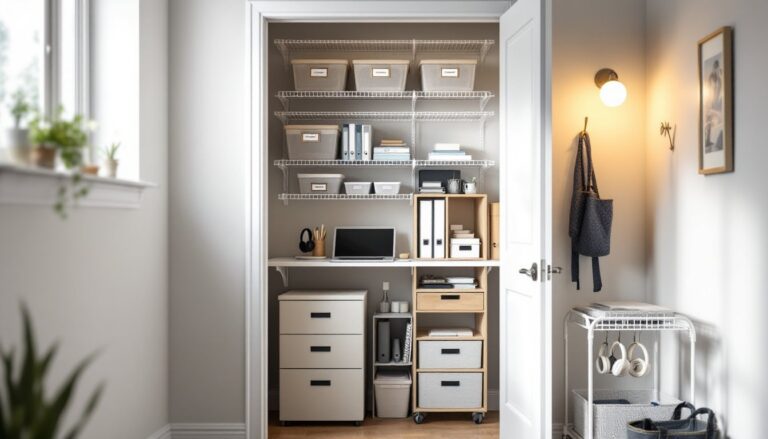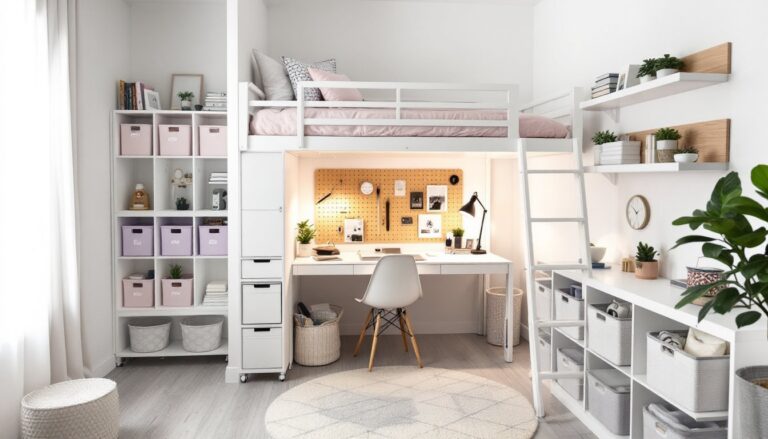
Most homes don’t have the luxury of a spacious mudroom, but that doesn’t mean the entryway has to be chaos. Small spaces can deliver serious function when every square inch is put to work. With the right combination of vertical storage, multi-use furniture, and smart organization, even a 3-foot-wide hallway can handle coats, shoes, bags, and keys without feeling cramped. This guide walks through practical solutions that maximize storage, improve flow, and make small entryways work harder, no square footage expansion required.
Table of Contents
ToggleKey Takeaways
- Small entryway mudroom ideas maximize every square inch by prioritizing vertical storage, multi-use furniture, and smart organization over floor space expansion.
- Install wall-mounted coat racks, pegboards, floating shelves, and over-the-door organizers to keep jackets, shoes, and daily gear organized without overwhelming compact areas.
- Multi-functional furniture like storage benches, console tables, and hall trees eliminate single-purpose pieces and handle multiple needs simultaneously in tight entryways.
- Light colors, mirrors, and consistent flooring make small mudrooms feel larger while good overhead lighting (at least 100 lumens per square foot) prevents shadows that shrink perceived space.
- Assign one hook or cubby per person, use labeled baskets for daily items, and maintain a rotating seasonal storage system to keep your mudroom functional and clutter-free.
- Budget-friendly DIY projects like painted pegboard walls, crate storage benches, and DIY coat racks deliver professional-looking results for under $50 in materials.
Smart Storage Solutions for Compact Mudrooms
In a small entryway, floor space is too valuable to waste. The key is moving storage upward and making every fixture earn its keep.
Wall-mounted coat racks with integrated shelves keep jackets off the floor while providing a landing zone for hats, gloves, or mail. Look for models with 4–6 hooks and a top shelf at least 8 inches deep. Mount them 60 to 65 inches from the floor for adult use, or lower if kids are the primary users.
Cubbies and lockers work well when built slim. A unit with compartments 12 inches wide and 15 inches deep can hold one person’s daily gear without dominating the space. If building custom, use 3/4-inch plywood for the frame and back it with 1/4-inch plywood or beadboard for a finished look. Paint or stain before installation to minimize mess.
Shoe storage is a common pain point. Shallow shoe cabinets (about 6 inches deep) with tip-out drawers keep footwear hidden and take up minimal floor space. Alternatively, a low bench with slatted shelves underneath allows shoes to air out while staying organized. Avoid solid bins in humid climates, they trap moisture and promote odor.
Vertical Storage Strategies
Going vertical is non-negotiable in tight entryways. Install a pegboard panel (1/4-inch tempered hardboard) across one wall, secured into studs with 1/4-inch lag screws and spacers to allow hook clearance. Pegboard accepts an array of accessories, baskets, hooks, and shelves, that can be rearranged as needs change. Paint it to match the trim or go bold with a contrasting color.
Floating shelves mounted 12 to 18 inches apart create display and drop-zone space without visual bulk. Use shelves 8 to 10 inches deep and secure them with heavy-duty brackets rated for at least 50 pounds if they’ll hold bags or bins. Keep the bottom shelf at least 36 inches off the floor to preserve clearance below for benches or baskets.
Over-the-door organizers are underrated. A sturdy over-the-door rack with pockets or hooks can hold scarves, dog leashes, reusable bags, and umbrellas. Choose models with rubberized or padded contact points to avoid damaging the door finish.
For homes with high ceilings, consider a picture rail or plate rail mounted 6 to 12 inches below the ceiling line. These aren’t just decorative, hang S-hooks from the rail to suspend baskets or totes, freeing up lower wall space for functional fixtures.
Multi-Functional Furniture for Small Entryways
In a cramped entryway, furniture needs to do more than one job. Single-purpose pieces are a luxury small spaces can’t afford.
A storage bench is the MVP of compact mudrooms. Look for models with lift-top seats or pull-out drawers underneath. Benches 36 to 48 inches wide work for most entryways and provide seating for putting on shoes. The seat height should be 18 to 20 inches for comfortable use by adults and older kids. If building one, frame it with 2x4s and top it with 3/4-inch plywood, then add cushioning and fabric for comfort.
Console tables with lower shelves offer a drop zone for keys and mail while keeping shoes or baskets tucked below. Choose tables no deeper than 12 inches to avoid blocking walkways. Wall-mount the table for extra stability if it’s in a high-traffic area, using 3-inch wood screws into studs.
Hall trees combine coat hooks, a bench, and storage in one vertical unit. They’re ideal for corners or narrow walls. Opt for those with a footprint under 24 inches deep to maintain flow. Many apartment-friendly designs use engineered wood or metal frames that hold up well under daily use without the weight of solid hardwood.
Fold-down or wall-mounted desks work in mudrooms that double as command centers. A shallow desk (10 to 12 inches deep when folded) can hold a charging station, calendar, or small mail sorter. When not in use, it disappears against the wall.
Design Tricks to Make Your Mudroom Feel Larger
Small entryways can feel cramped if the design works against the space. A few deliberate choices make a measurable difference in perceived size.
Light colors on walls and ceilings reflect more light and push visual boundaries outward. White, soft gray, or pale beige are safe bets, but don’t shy away from light blues or greens if they suit the home’s palette. Use satin or eggshell finish paint for easy cleaning, flat paint shows scuffs in high-traffic areas.
Mirrors are a classic trick for a reason. A mirror mounted across from a window or light source doubles the apparent brightness and depth. Go as large as the wall allows, 36 by 48 inches or bigger if the space permits. Frameless or slim-framed mirrors keep the look clean.
Consistent flooring helps. If possible, extend the same flooring from an adjacent room into the entryway rather than switching materials. This creates visual continuity and makes the space feel less segmented. If the entryway needs more durable flooring (like tile or luxury vinyl plank), choose a color and scale that complements the adjoining floor.
Avoid clutter at eye level. Keep hooks and shelves below 72 inches when possible, and leave the upper wall clear or minimally decorated. This draws the eye down and makes the ceiling feel higher. Many small space experts recommend using no more than two or three colors in a compact entryway to avoid visual fragmentation.
Good lighting is essential. Overhead fixtures should provide at least 100 lumens per square foot for task visibility. Add a wall sconce or plug-in picture light if the space is dim, shadows make small rooms feel smaller.
Organization Systems That Actually Work
Storage hardware is only half the battle. Without a system to maintain order, even the best-designed mudroom devolves into clutter.
Assign one hook or cubby per person. Label them if needed, especially in households with kids. Each zone should accommodate a coat, bag, and one or two accessories. This prevents the “pile-on” effect where everyone dumps gear in the same spot.
Baskets and bins corral small items. Use open baskets for items grabbed daily (gloves, hats, sunglasses) and closed bins for seasonal or less-used gear. Label bins with a label maker or chalkboard tags, this takes 10 seconds and prevents the “what’s in this box?” hunt.
Rotating seasonal storage keeps the mudroom relevant. At the start of each season, swap out heavy coats for lighter jackets, winter boots for sneakers, and so on. Store off-season items in the basement, attic, or a hall closet to free up active space.
Daily drop zone baskets work wonders. Place a small basket or tray on a console or shelf for keys, sunglasses, and pocket debris. This creates a default landing spot and reduces countertop chaos.
Mail sorting station prevents paper piles. Mount a wall file organizer or use a tabletop sorter with slots for bills, school papers, and recycling. Pair it with a small recycling bin underneath for junk mail, deal with it immediately instead of letting it accumulate.
Budget-Friendly DIY Mudroom Projects
Functional mudrooms don’t require a full renovation or custom millwork. A weekend and basic tools can deliver real results.
DIY coat rack from a board and hooks is a classic starter project. Use a 1×6 or 1×8 board in pine, poplar, or oak, cut to the desired length. Sand it smooth (120-grit, then 220-grit), then stain or paint. Attach heavy-duty coat hooks spaced 6 to 8 inches apart. Mount the board to studs with 3-inch wood screws, pre-drilling to avoid splits. Total cost: under $30 for a 4-foot rack.
Crate storage bench uses wooden crates (new or salvaged) turned on their sides and stacked or lined up along a wall. Secure them together with wood glue and 1-1/4-inch brad nails, then top with a cushion or plywood seat. Paint or stain the crates to match the space. This provides both open cubbies and seating. Many DIY makeover projects feature crate benches because they’re cheap, modular, and forgiving for beginners.
Painted pegboard wall is an afternoon project with big impact. Cut a 4×8-foot pegboard sheet to fit the available wall space (many home centers will make the first few cuts free). Prime and paint the pegboard, then mount it to the wall with 1×2 furring strips behind it to create clearance for hooks. Add hooks, baskets, and shelves as needed. Cost: around $40 for materials.
Floating shelf from dimensional lumber requires a 2×10 or 2×12 board and floating shelf brackets (also called blind brackets). Cut the board to length, sand, and finish. Mount the brackets into studs, then slide the board onto the brackets. This creates a chunky, substantial shelf perfect for baskets or decor. A 3-foot shelf costs roughly $25 in materials.
Shoe tray from a boot tray and wood frame keeps wet shoes contained. Buy a plastic or metal boot tray (around $15), then build a simple frame from 1×4 boards to surround it and elevate it off the floor by 2 to 3 inches. Stain or paint the frame. This looks custom but takes less than an hour to assemble.
Conclusion
Small entryways punch above their weight when storage is strategic, furniture multitasks, and organization becomes a habit. With vertical fixtures, intentional design, and a few DIY builds, even the tightest spaces can handle daily gear without the chaos. Start with one or two high-impact changes, add hooks, build a bench, or mount a pegboard, and build from there. Function first, then refine the details.