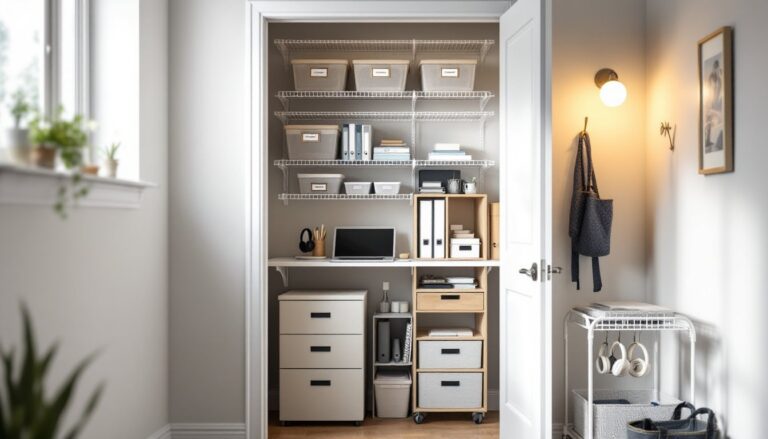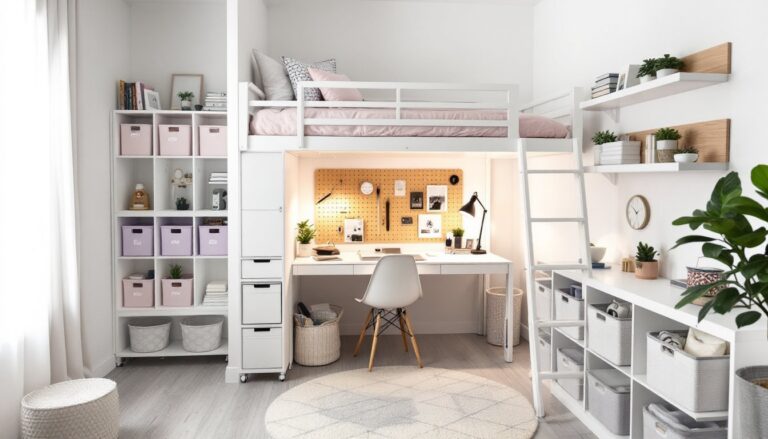
In a world overflowing with clutter, minimalist design steps in like a superhero with a cape made of simplicity. It champions the idea that less truly is more, proving that a well-placed chair can be just as impactful as a room full of furniture. Imagine a space where each item has a purpose and a story—no more dodging random knick-knacks like they’re ninja stars.
Minimalism isn’t just about aesthetics; it’s a lifestyle choice that invites clarity and calm into chaotic lives. By stripping away the unnecessary, it allows the essential to shine. So if you’re tired of your home looking like a tornado hit a thrift store, it might be time to embrace the beauty of minimalism. Get ready to declutter your life and let creativity flow in a space that breathes.
Table of Contents
ToggleWhat Is Minimalist Design?
Minimalist design embodies simplicity through essential elements. This design philosophy prioritizes function while eliminating unnecessary details. Clean lines and open spaces characterize minimalist aesthetics, enhancing an environment’s clarity and calmness.
Less becomes more in minimalist spaces. Designers focus on maximizing functionality with minimal materials, creating versatile arrangements. Neutral color palettes often dominate, contributing to a soothing atmosphere.
Specific features define minimalist design principles. Geometric shapes and monochromatic tones work together to foster harmony. Natural light plays a crucial role, promoting a sense of openness and serenity.
More than a visual style, minimalism serves as a lifestyle choice. It encourages individuals to lessen distractions by removing clutter, enhancing focus and creativity. Embracing this philosophy results in transforming chaotic surroundings into organized, peaceful environments.
Spaces designed with minimalism in mind emphasize quality over quantity. Each chosen piece serves a purpose, creating intentional environments. Functionality paired with simplicity leads to unique, effective designs across various applications, from architecture to graphic design.
Consider interactive designs where usability and aesthetic appeal align seamlessly. Artwork and decor become striking focal points, standing out against minimalist backgrounds. Overall, minimalist design inspires individuals to adopt clarity and intentionality in their spaces.
Key Principles of Minimalist Design
Minimalist design embodies several key principles that enhance its effectiveness. Each principle contributes to creating an environment that promotes clarity and tranquility.
Functionality
Functionality lies at the heart of minimalist design. Every element serves a purpose, ensuring that nothing unnecessary occupies space. Designers prioritize usability, crafting layouts that facilitate ease of movement and interaction. Spaces remain clutter-free, allowing occupants to navigate effortlessly. Choosing multipurpose furniture further amplifies efficiency, making small areas feel expansive. Each piece within a minimalist space enhances the overall experience, emphasizing that practical choices foster creativity.
Simplicity
Simplicity defines minimalist design’s aesthetic. Designers focus on stripped-down forms, eliminating any excess ornamentation. By using clean lines and basic geometric shapes, minimalism creates a sense of harmony and order. The absence of distractions clears the mind, encouraging creativity and relaxation. Color palettes often remain neutral, adding to the uncluttered feel. Such simplicity invites individuals to appreciate the beauty of each element, significantly enhancing visual appeal.
Aesthetic Appeal
Aesthetic appeal plays a significant role in minimalist design. Visual harmony arises from balanced proportions and well-considered layouts. Designers use natural light strategically, amplifying the sense of openness. Art and decor stand out against the understated backgrounds, drawing attention without overwhelming the senses. Thoughtfully curated elements ensure each component combines to create a serene environment. Overall, this aesthetic invites people to enjoy tranquility while fostering focus and clarity.
Benefits of Minimalist Design
Minimalist design offers several advantages that improve both environments and individual experiences. By focusing on essential elements, it promotes clarity and tranquility.
Enhancing Focus
Minimalist design reduces distractions, which enhances focus. Fewer items in a space allow individuals to concentrate better on tasks. A streamlined environment fosters a mindset conducive to productivity. Natural light brightens minimal spaces, creating a pleasant atmosphere for working or creating. Individuals report feeling less overwhelmed in organized settings. Clarity in design translates to clarity of thought, enabling more effective decision-making.
Reducing Clutter
Reducing clutter significantly impacts mental well-being. Minimalist design encourages the removal of unnecessary items, resulting in cleaner environments. Clear surfaces provide breathing room, promoting relaxation and calmness. With fewer possessions, individuals can focus more on what matters most to them. Emphasis on quality over quantity leads to cultivating a more meaningful and intentional living space.
Implementing minimalist principles facilitates easy maintenance and organization, allowing individuals to enjoy peaceful surroundings daily.
Applications of Minimalist Design
Minimalist design finds its application across various fields, enhancing aesthetics and functionality simultaneously.
Interior Design
In interior design, minimalism creates open, inviting spaces through the use of fewer furnishings. Neutral color schemes dominate, allowing for serenity and calmness. Furniture selection focuses on multipurpose items that optimize functionality while occupying minimal space. Geometric shapes feature prominently, fostering harmony throughout the environment. Natural light is utilized to illuminate these spaces, promoting a sense of openness. Each element plays a critical role, encouraging individuals to appreciate the beauty of simplicity. The overall design encourages mindfulness, encouraging residents to engage meaningfully with their surroundings.
Graphic Design
Graphic design benefits profoundly from minimalist principles as well. Clean layouts attract attention by eliminating distractions, focusing viewers on essential elements. It’s common to see simple typography and limited color palettes that promote clarity and brand recognition. Spaces are intentionally left blank, enhancing the audience’s ability to engage with the message. Icons and imagery are strategically used, ensuring that each visual component aligns with the overall design objective. This approach enhances usability, providing a streamlined experience for users. Ultimately, effective minimalist graphic design allows communication to shine through simplicity, capturing audience interest effortlessly.
Embracing minimalist design can lead to transformative changes in both personal and professional spaces. By prioritizing simplicity and functionality individuals can cultivate environments that foster clarity and creativity. The intentional reduction of clutter not only enhances aesthetics but also promotes mental well-being and focus.
Minimalism encourages a mindful approach to design where every element serves a purpose. This philosophy of “less is more” resonates across various applications from interior to graphic design. As people adopt minimalist principles they can experience the benefits of organized and peaceful surroundings that inspire tranquility and productivity.