Designing a small bedroom for a girl doesn’t mean sacrificing style for function. With the right approach, a compact space can feel open, organized, and perfectly tailored to her personality. The key is working smarter, not bigger, by choosing storage that doubles as décor, furniture that earns its footprint, and finishes that visually expand the room. Whether you’re tackling a 10×10 or a narrow secondary bedroom, these practical ideas will help you make every square foot count without overwhelming the budget or the timeline.
Table of Contents
ToggleKey Takeaways
- Smart storage solutions like vertical shelves, under-bed bins, and closet system upgrades are essential for small bedroom ideas for girls to eliminate clutter and maximize usable space.
- Light, cool paint colors such as soft white, pale gray, or pastel tones visually expand small rooms by reflecting natural light, while heavy accent walls should be avoided in tight spaces.
- Multi-functional furniture like loft beds, daybeds with storage, and fold-down wall desks frees up floor space and makes compact bedrooms feel significantly larger.
- Vertical wall design through floating shelves, pegboards, and corner storage turns overlooked wall space into both functional storage and decorative opportunities without consuming the floor.
- Layered lighting combining overhead, task, and accent sources brightens the room and makes it feel more spacious, while sheer curtains mounted high draw the eye upward.
- Involving her in design decisions and personalizing with flexible elements like bedding, display areas, and statement pieces ensures the small bedroom feels authentically hers while allowing for future changes.
Smart Storage Solutions That Keep Clutter at Bay
Small bedrooms live or die by their storage. Without a plan, toys, clothes, and school supplies quickly consume every surface.
Start with vertical storage. Install floating shelves at varying heights, 12 to 18 inches apart works for most books and bins. Use the wall space above the desk, beside the bed, or even over the door. Shelves should be anchored into wall studs with appropriate brackets: drywall anchors alone won’t support heavy loads over time.
Under-bed storage is non-negotiable. If the existing bed frame doesn’t allow clearance, add bed risers (4 to 6 inches) to create space for rolling bins or flat storage drawers. Measure the height first, most standard bins are 5 to 7 inches tall, so plan accordingly. Label each bin by category (art supplies, winter clothes, keepsakes) to keep things accessible.
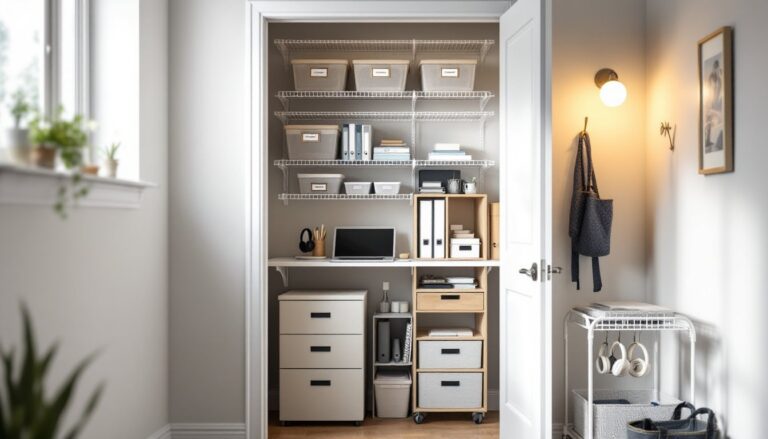
Consider a closet system upgrade. Replacing a single hanging rod with a double-rod configuration instantly doubles capacity. Add a shoe organizer on the back of the closet door and stackable bins on the upper shelf. Adjustable wire shelving kits from big-box stores run $40 to $100 and install with basic hand tools in under two hours.
For toys and smaller items, use cubby organizers with fabric bins. A 6-cube or 9-cube unit fits neatly against a wall and keeps clutter corralled. Choose bins that slide in and out easily, kids won’t use storage that fights back.
Color Schemes and Palettes That Make Small Rooms Feel Bigger
Paint is the fastest, most affordable way to visually expand a small bedroom. Light, cool tones reflect more natural light and push walls outward, while dark colors can make a tight space feel closed in.
White and soft gray are reliable choices. A warm white like Benjamin Moore’s Simply White or a pale gray like Repose Gray (Sherwin-Williams) keeps the room feeling airy without looking sterile. One gallon of interior latex paint covers roughly 350 to 400 square feet, so a typical 10×12 bedroom (with 8-foot ceilings) requires about 1.5 gallons for two coats.
If pure neutrals feel too stark, try pale pastels, blush pink, soft lavender, or mint green. These add personality without overwhelming the eye. Pair them with white trim and ceiling paint to maintain contrast and height.
Avoid heavy accent walls in small rooms unless the far wall is the only one you’re painting. Instead, bring in color through removable elements like bedding, curtains, and artwork. This keeps the base palette flexible as tastes change.
Consider a semi-gloss or satin finish for trim and doors. These sheens reflect more light than flat paint, subtly amplifying brightness. For walls, an eggshell finish offers durability and easy cleaning, important for high-touch kid spaces.
If she’s set on bold color, use it strategically: paint the inside of a bookshelf, the back panel of a cubby unit, or a single narrow wall. This delivers impact without shrinking the room.
Multi-Functional Furniture for Maximum Versatility
In a small bedroom, every piece of furniture should earn its keep. Single-purpose items eat up space fast.
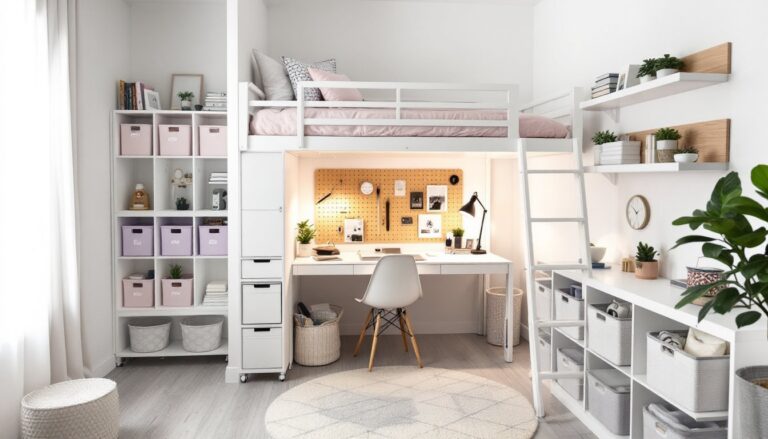
A loft bed is the MVP of small-room design. It elevates the sleeping area and frees up floor space underneath for a desk, reading nook, or dresser. Most loft beds require 7.5 to 8 feet of ceiling height to be practical (standard residential ceilings are 8 feet). Assemble carefully, these frames must be secured to wall studs per manufacturer instructions to prevent tipping. Expect to spend 2 to 4 hours on assembly with a drill, level, and a second person.
If a loft bed feels too enclosed, try a daybed with built-in storage drawers. It functions as both a bed and seating, and the drawers replace a separate dresser. Look for models with dovetail joints and solid wood drawer boxes, they’ll outlast particleboard alternatives.
Swap a traditional nightstand for a wall-mounted floating shelf or small console table. This keeps the floor clear and makes the room feel less crowded. A shelf depth of 8 to 10 inches is enough for a lamp, clock, and small essentials.
For study areas, choose a fold-down wall desk or a narrow writing desk (24 to 30 inches wide). Pair it with a rolling chair that tucks completely underneath. This setup uses half the footprint of a standard desk and chair combo.
Budget-conscious DIYers often turn to IKEA furniture hacks for custom storage beds or modular desk units that fit odd room dimensions.
Creative Wall Décor and Vertical Design Ideas
Walls are underutilized real estate in most small bedrooms. Thinking vertically opens up storage and style opportunities without crowding the floor.
Pegboard panels aren’t just for garages. Install a 2×4-foot pegboard section above a desk or craft area and outfit it with hooks, baskets, and small shelves. Paint it to match the wall or use a contrasting color for a statement. Mount pegboard to studs or use hollow-wall anchors rated for 50+ pounds if studs aren’t conveniently located.
Floating corner shelves turn dead space into display or storage. These triangular units fit snugly in corners and work well for books, plants, or collectibles. Install them at eye level or higher to keep floor sightlines open.
Replace bulky picture frames with removable wall decals or peel-and-stick wallpaper. These add pattern and color without the commitment of traditional wallpaper or paint. They’re also renter-friendly. When tastes change, peel them off and start fresh.
For a gallery wall, use lightweight frames (under 5 pounds each) and arrange them in a tight grid rather than a sprawling layout. This keeps the display cohesive and prevents the wall from feeling chaotic. Use a laser level and painter’s tape to mark placement before driving nails.
Consider a wall-mounted jewelry organizer or cork board for accessories and notes. These keep small items visible and accessible, reducing countertop clutter. Many small-space apartment décor strategies emphasize vertical organization to preserve floor space.
Lighting Tricks to Brighten and Expand Your Space
Lighting directly affects how large, or small, a room feels. Poor lighting makes even spacious rooms feel cramped.
Start with overhead lighting. If the existing fixture is a single flush-mount, consider upgrading to a fixture with multiple bulbs or a brighter LED option. Look for bulbs rated at 2700K to 3000K (warm white) and at least 800 to 1100 lumens for a small bedroom. Avoid anything over 3500K unless you want a clinical feel.
Add task lighting at the desk and bedside. A swing-arm wall sconce or clamp-on LED lamp keeps the nightstand clear and directs light exactly where it’s needed. For desks, choose a lamp with an adjustable arm and a weighted base.
Layered lighting makes a room feel larger. Combine ambient (overhead), task (desk/reading), and accent (string lights, LED strips) sources. This creates depth and reduces harsh shadows that can make a small room feel boxy.
If natural light is limited, use sheer curtains or cellular shades instead of heavy drapes. These allow daylight in while maintaining privacy. Mount curtain rods closer to the ceiling (within 2 to 4 inches) and let panels hang to the floor, this draws the eye upward and adds perceived height.
Consider under-bed LED strip lighting for a floating effect, especially with loft or raised beds. Battery-powered strips work fine, but plug-in versions are brighter and don’t require frequent battery swaps. Route cords neatly along the bed frame to avoid tripping hazards.
Personalizing the Room to Match Her Unique Style
A small room still needs to feel like hers. Personalization doesn’t require a big footprint, it just requires intention.
Start with bedding and textiles. A duvet cover, throw pillows, and a coordinating rug set the tone without permanent commitment. Choose patterns and colors she loves, but keep the base palette neutral so swapping accents is easy as tastes evolve.
Create a dedicated display area for her artwork, trophies, or collections. A narrow floating shelf or a wire grid panel with clips works well. Rotate items seasonally to keep the display fresh and prevent overcrowding.
If she’s into crafts, set up a mobile supply cart instead of a bulky storage unit. A rolling three-tier cart (12 to 18 inches wide) fits in a closet or under a desk and pulls out when needed.
Let her choose one statement piece, a bold rug, a patterned accent chair, or a unique light fixture. This anchors the room’s personality without requiring a full redesign. Many DIY families find inspiration in home makeover blogs that showcase budget-friendly transformations.
For older girls, consider a photo string or clip board for displaying snapshots and mementos. Use removable adhesive hooks to string twine or wire across one wall, then attach photos with mini clothespins. It’s low-commitment and easy to update.
Finally, involve her in the process. Let her pick paint samples, arrange furniture layout (within reason), or select hardware for bedroom storage upgrades. Ownership leads to better care and longer satisfaction with the space.
Conclusion
Small bedrooms for girls don’t have to feel cramped or compromise on style. With smart storage, light-reflecting color choices, multi-functional furniture, and vertical design strategies, even the tightest spaces can feel open and personal. Focus on pieces that work hard, keep clutter in check, and let her personality shine through thoughtful, flexible details. The result is a room she’ll love, and one that grows with her.