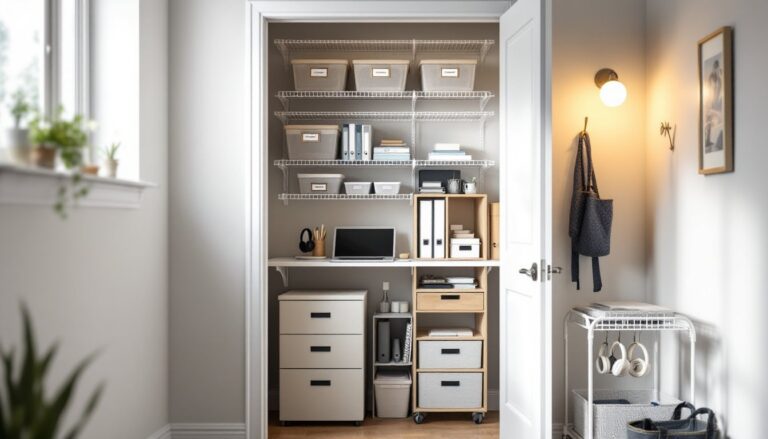
Attics often become the Bermuda Triangle of homes—where forgotten treasures, dust bunnies, and questionable holiday decorations go to die. But it doesn’t have to be that way! With a little creativity and organization, that chaotic space can transform into a well-ordered oasis of storage.
Table of Contents
ToggleAttic Organization Tips
Maximize space by utilizing vertical storage. Shelves placed along walls provide platforms for bins and boxes. Use clear, labeled containers to simplify identification and retrieval of items. Stacking boxes efficiently helps free up floor space for walking.
Prioritize seasonal items. Store holiday decorations or winter clothes in sturdy containers, labeling them for easy access. Consider investing in vacuum-sealed bags for clothing to save space while protecting fabric.
Create a designated area for frequently used items. Placing tools or seasonal sports gear within immediate reach reduces frustration during busy times. Establish a system for categorizing items, grouping similar types together for quick finding.
Install hooks and pegboards for hanging items. These solutions effectively utilize wall space and keep tools or sports equipment off the floor. Make sure to include a step stool for reaching higher shelves, ensuring safe access to stored items.
Implement regular maintenance. Scheduling biannual clean-ups prevents unwanted clutter from accumulating. During these sessions, assess items to determine what’s necessary and what can be disposed of or donated.
Involve family members in the organization process. Each person can manage their own items, promoting accountability and shared responsibility. Celebrate the completed organization to encourage ongoing maintenance and appreciation of a tidy attic.
Planning Your Attic Space
Prioritizing attic organization starts with careful planning. Assessing needs and establishing a layout contribute to long-term efficiency.
Assessing Your Needs
Identifying specific storage requirements helps determine what items to keep. Consider seasonal decorations, clothing, or sports gear for easy access. Evaluating the frequency of use fosters smarter decisions about what to store. Create categories for different items, ensuring proper allocation of space. Identify whether the attic serves as a temporary or permanent storage solution. Organizing items by priority enhances retrieval efficiency, which reduces clutter.
Establishing a Layout
Creating a functional layout ensures items are accessible and organized. Start by dividing the attic into sections based on the categories identified. Assign most-used items to accessible areas, while less-frequent items can be stored higher or further back. Incorporate shelving units and labeled containers for optimal organization. Use vertical space with shelves and hooks to maximize storage potential. Leaving pathways within each section facilitates easy navigation, promoting an overall tidy environment.
Decluttering Your Attic
Decluttering an attic requires a systematic approach to regain control over the space. Each step fosters a more organized environment.
Sorting Belongings
Begin by dividing items into categories. Create piles for keepsakes, seasonal decorations, and unused items. Each category helps identify what truly matters. Assess the condition of each item; broken or damaged belongings can often be discarded. Group similar items together, placing decorations with decorations and tools with tools for easy retrieval. Moving forward, label boxes and containers clearly to streamline future searches. Maintaining a focused mindset during this process reduces feelings of overwhelm. Ultimately, this structured sorting method ensures the attic becomes usable, enhancing access and visibility.
Disposing and Donating
Disposing of unwanted items plays a crucial role in the decluttering process. Start by evaluating which items can be eliminated entirely. Broken furniture or outdated electronics often belong in the trash. For items still in good condition, consider donating them. Local charities or thrift stores appreciate donations, making a positive impact on the community. Research donation guidelines to ensure proper disposal processes are followed. Schedule regular pickups for large donations to simplify the process. When donating, you create space while helping others benefit from the items you no longer need. Embracing this method fosters a sense of accomplishment and contributes to attic clarity.
Storage Solutions
Effective storage solutions enhance attic organization and maximize available space. Utilizing shelving units and bins can make a notable difference.
Shelving Units
Shelving units provide structured storage options for various items. Consider adjustable shelves to accommodate different sizes of belongings. Installing heavy-duty shelves can support weighty boxes, ensuring everything remains secure. Placing often-used items on lower shelves reduces the need for climbing. Vertical space in an attic allows for efficient storage, freeing up floor space for other uses. Choosing open shelves helps with visibility, making it easy to locate items without rummaging through boxes.
Bins and Baskets
Bins and baskets offer versatile storage while keeping items clean and organized. Using clear bins enables quick identification of contents, minimizing search time. Labels on each container enhance retrieval efficiency and promote a systemized approach. Selecting various sizes allows for tailored storage solutions, accommodating everything from smaller trinkets to larger seasonal decorations. Baskets can add a decorative touch while serving as a clever way to store lightweight items. Stacking bins helps optimize vertical space, promoting an orderly and accessible attic environment.
Maintaining Organization
Maintaining organization in the attic requires ongoing effort. Implementing regular check-ins ensures that clutter doesn’t accumulate again.
Regular Check-Ins
Scheduling biannual reviews keeps the attic neat. Setting aside time to assess the current organization helps identify problem areas. During these sessions, individuals can remove unused or unwanted items. Prioritizing this maintenance task prevents future disarray. Family members can participate, making it a shared responsibility. Engaging everyone fosters teamwork and accountability. Checking on labeled containers and storage solutions also guarantees they meet evolving storage needs.
Seasonal Rotations
Rotating seasonal items during specific times of the year simplifies organization. When the seasons change, move decorations or gear from the attic for easy access. Organizing these items based on usage frequency also streamlines retrieval. Designate labeled bins for each season, making it clear where everything belongs. Storing off-season items on higher shelves opens up space for current necessities. This strategy not only maximizes efficiency but also keeps frequently used items readily accessible. Implementing a seasonal rhythm cultivates a consistently organized attic.
Transforming an attic from a cluttered space into an organized haven is entirely achievable with the right strategies. By implementing effective storage solutions and maintaining a regular decluttering routine, individuals can create a functional environment that meets their storage needs.
Encouraging family involvement not only fosters accountability but also makes the organization process more enjoyable. With a little creativity and commitment, the attic can become a valuable asset in the home rather than a neglected area.
Embracing these organization tips will ensure that the attic remains a tidy and efficient space for years to come.